)


)
)
Bitcoin Casinos in Canada 2026: How Crypto Deposits Work, What Canadian Players Should Know About Fees, KYC and Provincial Rules
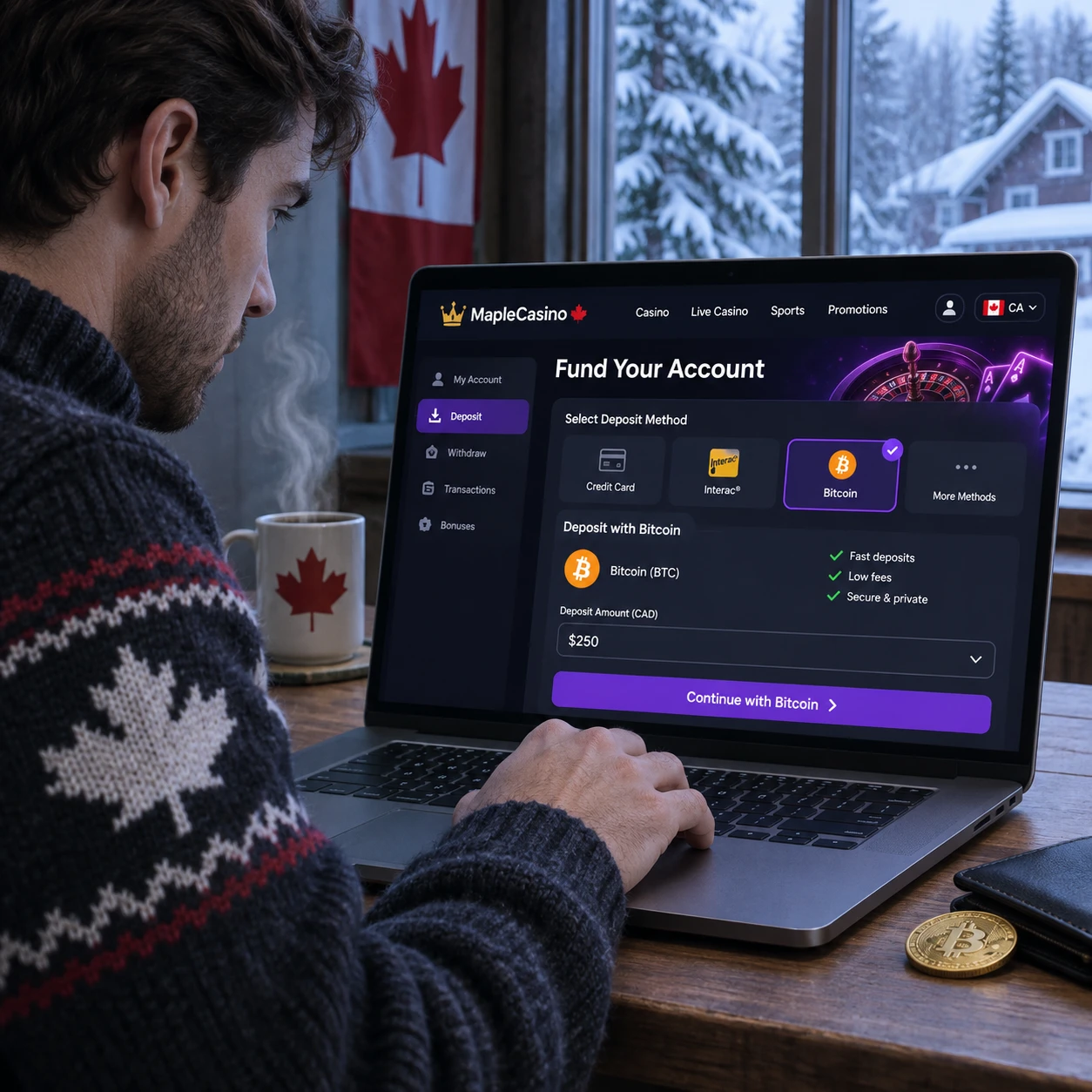
Something's shifted in how Canadians fund their casino accounts. In 2026, a growing share of players skip Interac e-Transfers and Visa entirely and send BTC, ETH or a stablecoin instead. The appeal is easy to understand: deposits land in minutes, no bank statement carries a casino name, and the whole thing feels cleaner than typing card details into yet another payment form. But that convenience comes with questions most people only ask after something has already gone wrong.
I'm going to answer three of them. How does a crypto deposit actually work, end to end? What does it really cost once you add up every layer of fees? And is the site you're on legitimate in the province you happen to be sitting in? Because the part the marketing pages leave out is this — crypto casinos aren't a legal free-for-all in Canada, and the rules depend heavily on where you live. What follows is informational, not an endorsement of gambling. Further down you'll find a practical checklist for judging a site, including a look at how bitcoin casino canada options stack up on licence details and payout terms.
What a Bitcoin Casino Actually Is in 2026
Strip away the branding and a Bitcoin casino is just an online casino that takes cryptocurrency for deposits and withdrawals — usually with no bank sitting in the middle of the transaction. That's the whole definition. What varies enormously is who's running it and under what authority.
Canadian players run into three distinct models. First, provincially regulated operators that have added crypto as a payment option alongside conventional methods. Second, offshore sites holding Curacao or Anjouan licences — the category you'll meet most often through search results and affiliate sites. Third, crypto-native platforms built around 'provably fair' original games like crash, dice and plinko, rather than licensed slot content from established studios.
That last point deserves some precision, because 'provably fair' gets stretched hard. It's a cryptographic verification method: the site commits to a server seed hash before you play, and afterwards you can check the outcome wasn't altered retroactively. It proves the game result was honest. It does not prove the operator is solvent, licensed, or going to pay you. Separate questions entirely, and blurring them is one of the easiest ways to get burned. I've read threads from players who'd verified every single roll they made and still couldn't get a cash-out approved. The math was clean. The cashier wasn't.
How Crypto Deposits Work, Step by Step
The mechanics are straightforward once you've done them once. Create an account, pick a coin on the cashier page, and the site generates a deposit address — a long string of characters unique to that transaction. You send from your wallet to that address, wait for the network to confirm, and the casino credits your balance. That's the flow. The complications live in the details.
Choosing a Wallet and a Network
Wallets come in two flavours. Custodial wallets — including the accounts most Canadians hold at a crypto exchange — keep your private keys on someone else's server. Non-custodial wallets, a hardware device or a mobile app, leave the keys in your hands. For a casino deposit the distinction matters less than it does for long-term holding, but it matters for recovery: with a custodial service, a mistaken send might be reversible through support. With a self-custody wallet it isn't.
The single most common way players lose money is sending on the wrong network. Bitcoin has on-chain transactions and the Lightning Network; they aren't interchangeable. USDT exists as ERC-20 on Ethereum, TRC-20 on Tron, and half a dozen other chains, each with its own address format. Send TRC-20 USDT to an ERC-20 address and those funds are almost certainly gone. Which is why plenty of Canadians e-Transfer into an exchange first, buy the coin there, then send from that account — it forces a deliberate network choice at each step instead of a rushed one. I do it that way for exactly that reason. One extra hop, one less way to lose a deposit to a clipboard mistake.
Confirmations, Minimums and What Can Go Wrong
Every casino sets a minimum deposit, usually somewhere between the equivalent of $10 and $30, plus a confirmation threshold — one, two or three network confirmations before your balance updates. Bitcoin blocks arrive roughly every ten minutes, so a three-confirmation requirement can mean half an hour of staring at a pending balance. Normal, not a malfunction.
Addresses expire, too. Generate one, get distracted, come back two hours later and send to it, and the funds may route to a pool the casino has to reconcile by hand. If a deposit doesn't show up, don't panic-send again. Grab the transaction hash and contact support. How fast they answer is a trust signal in itself — which is exactly why a small first deposit, $20 or so, is the smart way to test a new site before committing real money.
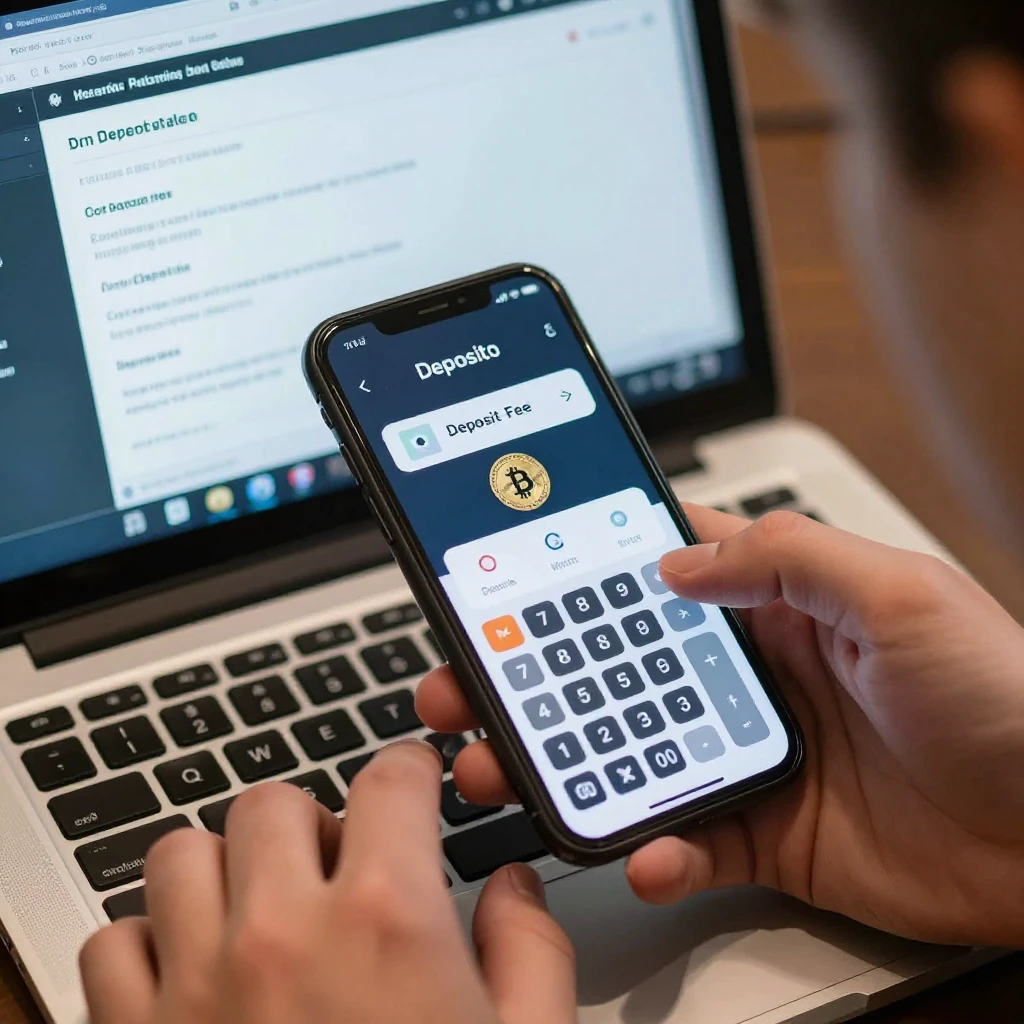
Fees, Speeds and Withdrawals — The Real Cost of Playing
Crypto deposit fees are almost never what the marketing implies. To compare honestly against Interac, you have to add up three separate layers.
Network Fees, Exchange Spread and Hidden Casino Charges
The first layer is the on-chain network fee, paid to miners or validators. It swings with congestion — a quiet Sunday might cost a dollar or two to move Bitcoin, while a busy week can multiply that several times over. The second is the fiat-to-crypto spread if you're buying through an exchange or funding via e-Transfer; that spread is often invisible because it's baked into the quoted rate rather than shown as a line item. The third is any casino-side deposit or currency-conversion fee, which should be published in the terms and frequently isn't.
Watch how 'zero fee' gets sold. In most cases the casino absorbs the network cost, then recovers it through higher withdrawal minimums, unfavourable conversion rates on fiat-displayed balances, or processing delays that nudge you into playing on instead of cashing out. None of that is illegal. It's just cost you never see at the deposit screen.
Withdrawal Limits, Processing Times and 'No-KYC' Promises
Withdrawals are where sites genuinely separate themselves. Caps matter — a site with a $2,000 weekly withdrawal limit will take months to pay out a $15,000 win. Wagering requirements matter more: a generous-looking bonus with a 40x rollover can effectively lock your balance until you've staked an amount you'd never otherwise have played. And genuinely no-KYC sites tend to have weaker dispute recourse when things go wrong, because there's no verified identity trail and often no regulator to appeal to.
So the trade-off is speed and privacy versus accountability. A verified account may take a day to clear; an anonymous one may pay in ten minutes but leave you with nobody to call if it doesn't.
KYC and AML — What Canadian Players Should Expect
Verification exists because Canada has anti-money-laundering obligations. FINTRAC oversees money services businesses, and payment processors layer their own rules on top. Any operator touching Canadian dollars or Canadian customers is under pressure to know who it's dealing with.
A typical check asks for a government-issued photo ID, proof of address such as a utility bill or bank statement from the last three months, and occasionally source-of-funds documentation for larger amounts. It usually triggers at first withdrawal, or once cumulative deposits pass a threshold. Yes, it's friction. But the practical trade-off is simple: a site that verifies you thoroughly tends to pay you reliably, because it has a documented identity to match the payout against.
Which brings up a red flag I'd name plainly. A site advertising 'no verification ever' that then freezes your account the moment you request a withdrawal isn't offering privacy — it's using KYC as a pretext to withhold funds. If the terms say no verification and the support agent suddenly wants documents, that's your answer about the operator's character. You don't need a second opinion.
Provincial Rules — the Canadian Patchwork
There's no single national framework for online gambling in Canada. Regulation is provincial, and crypto adds a layer regulators are still working through in 2026. Assuming otherwise is where most of the confusion starts.
Regulated Markets — Ontario, Quebec, British Columbia, Alberta
Ontario has the most developed regime, with iGaming Ontario overseeing a competitive market of registered operators. Quebec, British Columbia and Alberta each run their own frameworks and crown corporations. The practical consequence: in regulated markets, only registered operators may legally advertise to residents. Offshore crypto sites still reach those same players through search and affiliates, but they sit outside the provincial system — no consumer protection, no dispute mechanism, no requirement to offer responsible-gambling tools.
Offshore Sites, Grey Areas and Your Practical Risk
Time for the honest version. Playing on an unlicensed offshore site is not, in most provinces, the same as committing a criminal act as a player. The risk isn't legal jeopardy — it's the absence of everything a licence obliges an operator to provide. No regulator to escalate to. No mandated self-exclusion registry. No assurance your balance is segregated from company funds.
Before depositing anywhere, check your province's regulator list. And note that the tax treatment of crypto gambling winnings for Canadian residents stays genuinely ambiguous — the CRA treats gambling winnings as generally non-taxable for casual players, but professional or business-like activity is assessed differently, and crypto adds reporting questions nobody has cleanly resolved. If your stakes are meaningful, ask an accountant rather than a forum.
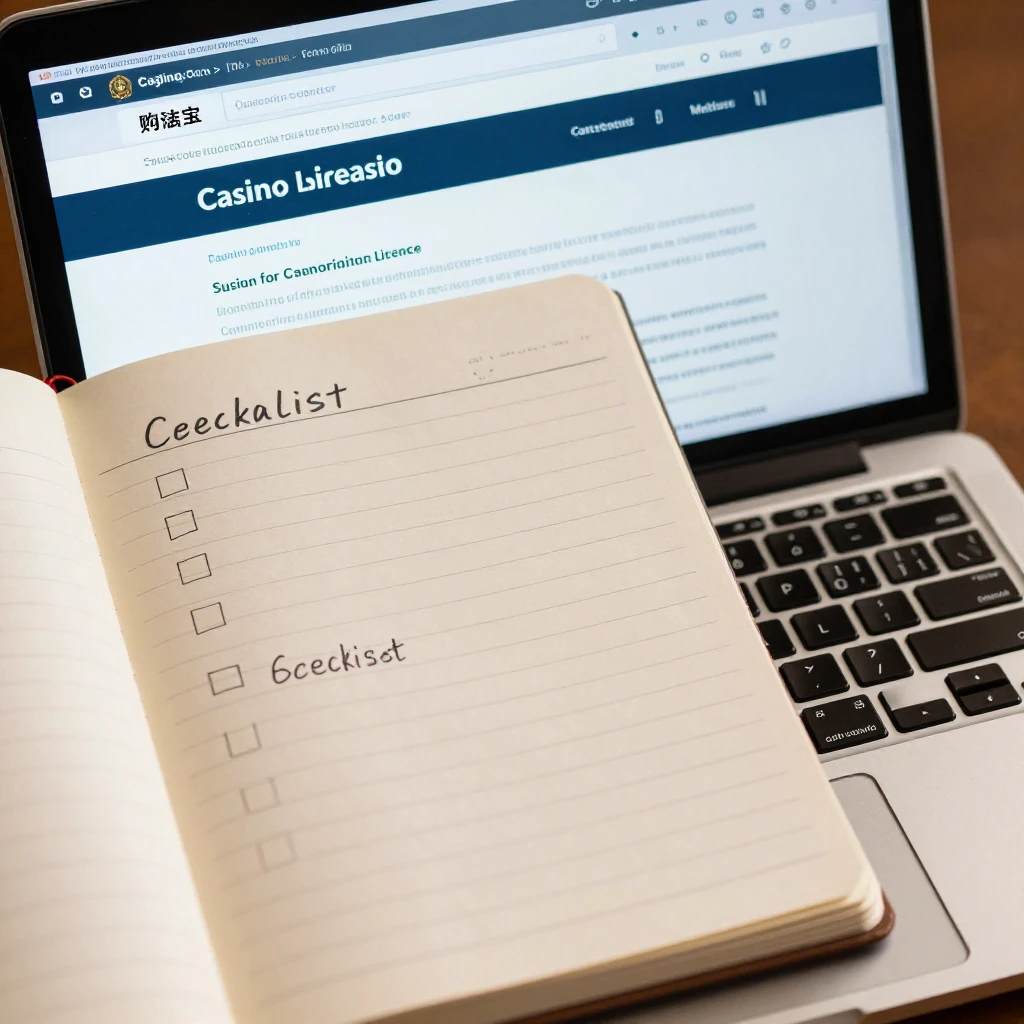
How to Pick a Trustworthy Bitcoin Casino — A 10-Point Checklist
Treat this as due diligence, not shopping. Ten things to confirm before you register:
- Visible licence and jurisdiction — named on the site, verifiable, not buried in a footer image.
- Published provably-fair or RNG certification — and a clear explanation of how to verify it yourself.
- Transparent fee and withdrawal terms — minimums, caps, processing times, all in writing.
- Realistic wagering requirements — anything above 40x deserves scrutiny.
- Responsive support — test it before you deposit, not after.
- Responsible-gambling tools — deposit limits, session timers, self-exclusion.
- Independent reviews — from sources that aren't paid affiliates.
- A small-test-deposit habit — $20 in, $20 out, before anything larger.
- Clear ownership — a company name and address you can actually look up.
- No pressure tactics — no countdown timers on your withdrawal button.
If you want a starting point for comparing licensed and offshore operators side by side, this overview of bitcoin casino canada sites covers the licence details and payout terms worth checking before you register. Use it as a filter, though, not a verdict — then run the ten points above against whatever you find. The licence check and the small-test-deposit discipline are the two that catch the most problems, and both take under ten minutes.
Common Mistakes and Responsible Play
The same handful of errors turn up again and again. Depositing before reading withdrawal terms is the big one — people check the bonus, not the cash-out conditions. Chasing a bonus's wagering requirement after a hot start, and playing it back down to zero in the process, is second. Ignoring network congestion and overpaying on fees is minor but avoidable. Treating crypto's price swings as a bankroll strategy is more serious; your Bitcoin isn't worth more because it went up 8% since you deposited, and sizing bets against a moving balance is a fast route to ruin.
And skipping self-imposed limits is the mistake that ties them all together. Crypto deposits strip out the friction that normally makes overspending harder — no card declined, no bank flag, no cooling-off period while a transfer clears. If you're going to play, set deposit limits inside the casino before your first deposit, not after your third. Support resources exist and they're free: ConnexOntario at 1-866-531-2600, or your province's gambling helpline. Use them without embarrassment if it stops being fun.
Three tests separate a sensible crypto casino player from an unlucky one. Understand the deposit mechanics — the network, the confirmations, the address expiry. Price the true cost across all three fee layers rather than trusting a 'zero fee' banner. And verify the operator against your own province's rules before a single satoshi moves.
The technology is neutral. Bitcoin doesn't care whether the site holding your funds is licensed or a shell company registered three weeks ago — that's entirely on the operator, and on you for checking. Run the ten-point checklist from this article, start small, and read the withdrawal terms first. Then play only with money you'd be genuinely fine losing, because that's the one variable no licence can protect you from.